After three years of work in the Ses Salines Natural Park of Ibiza and Formentera, Asociación Vellmarí and the Bluewave Alliance, driven by ISDIN, have reached 100,000 plants. La Vanguardia, El Confidencial and elEconomista have covered the story
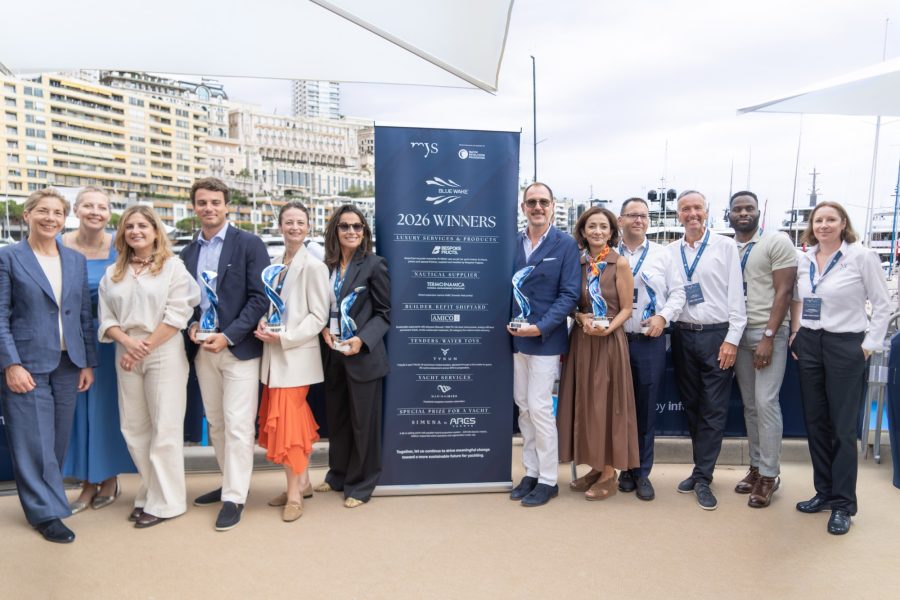
In September 2026 we planted shoot number 100,000. That figure sums up three years of work in the Ses Salines Natural Park of Ibiza and Formentera, one of the most ecologically valuable places in the Mediterranean, and a project that would not have been possible without the Bluewave Alliance, the initiative driven by ISDIN to protect and regenerate seas and oceans.
The project in numbers
- 100,000 Posidonia shoots planted, at a density of 22 seedlings per square metre.
- 571 boat trips over three years.
- 495 volunteers: marine biologists, diving instructors and young people aged 8 to 17 from the Vellmarí Dive Camp.
- More than 8,000 people have taken part since the project began.
How a meadow is planted
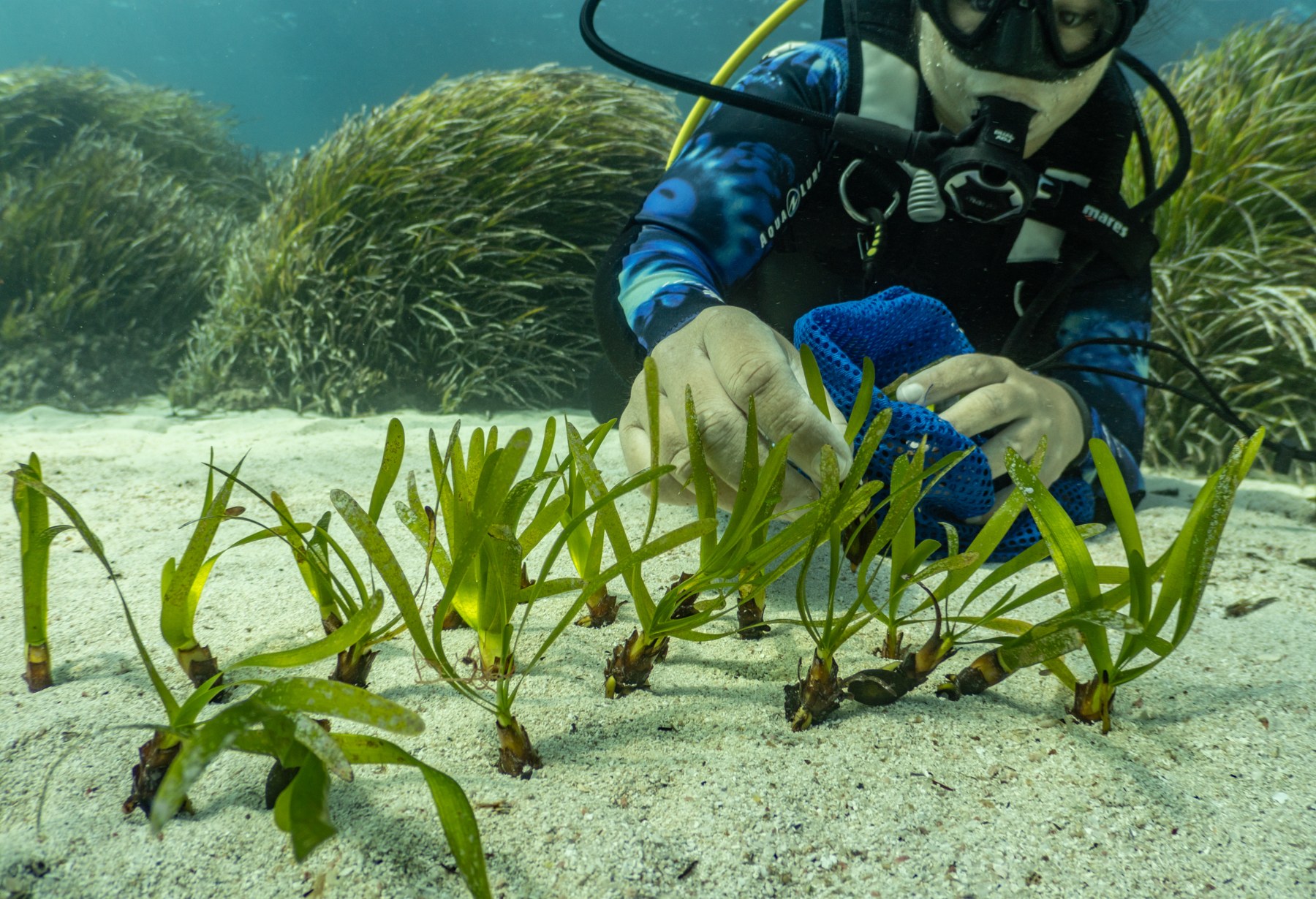
We work with rhizome fragments that act as cuttings. Each diver gathers a small bunch, pins it to the seabed with a staple and leaves the roots in direct contact with the substrate so it can take hold. Planting in an orderly way lets us measure afterwards how the meadow grows, how its density changes and how much life returns with it.
Planting and teaching
For Manu San Félix, marine biologist and founder of Vellmarí, every plant recovers a little of the Mediterranean and, above all, connects a person with the sea. The next step is to turn that connection into protection: effectively protecting 30% of the Mediterranean so that biodiversity, ecosystems and local fishing can come back.
That is why education goes hand in hand with restoration. At the Vellmarí Dive Camp, young people learn to dive and to understand why Posidonia matters so much for life in the sea. As Cristina Ozores, head of education at the association, points out, planting thousands of plants achieves little if the next generations do not know why they matter.
Why Posidonia matters
Posidonia oceanica lives only in the Mediterranean. It supports hundreds of species, produces oxygen, holds seabed sediment in place and protects the coast from erosion, and it is also one of the sea’s great carbon stores. Since the 1960s more than 30% of its meadows have disappeared, threatened by bottom trawling, coastal development and pollution.
In the media (in Spanish)
Thank you to the Bluewave Alliance, to ISDIN and to every person who has gone into the water with us. We keep planting.